

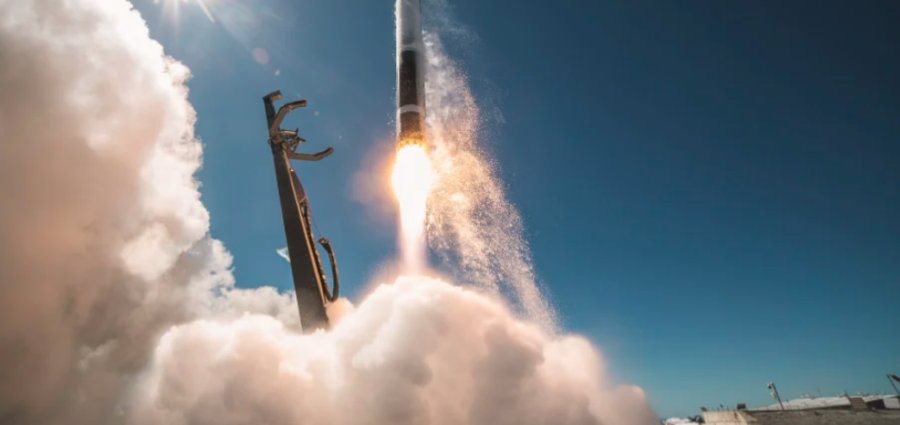
Few space stocks show the push and pull of this industry as clearly as Rocket Lab right now. The company’s new heavy-lift rocket has lost a year of its schedule, the share price has dropped sharply, and yet its smaller rocket keeps launching on time. For investors, the question is which of these two stories matters more.
Two jobs, one stock
Rocket Lab has to do two things at once. First, it must keep its small Electron rocket flying at a steady pace, because that brings in the revenue today. Second, it must get its much larger Neutron rocket ready, because that is where the next stage of growth is supposed to come from. Neutron can carry heavier payloads and would open the door to a bigger market. The first job is going well. The second has just slipped.
What went wrong with Neutron
The delay comes from a manufacturing flaw in the rocket’s first stage. According to CEO Peter Beck, air pockets formed between the carbon-fibre layers of a fuel tank dome. The part did not meet the company’s strict safety margins, so Rocket Lab had to rework how it builds it. Replacement parts must now be made, cured and inspected before the stage can be assembled and tested. The company says it has found the root cause and is fixing the process.
As a result, Neutron’s first flight has moved from the fourth quarter of 2026 into 2027. For a company counting on heavier payloads for its growth, a year is a meaningful gap.
How the market reacted
The share price took a hit. According to the German-market figures in the source, the stock closed Tuesday at €44.60, down 2.7%, and has lost about 20% in seven days. That leaves it roughly 66% below its 52-week high and about 25% below its 50-day average of €59.14. The pressure was added to by news that the company’s chief financial officer sold 140,157 shares on 1 October. According to the summary, the sale followed an option exercise and was made under a pre-arranged trading plan, which is a common way for executives to sell.
The source’s view is that the market is repricing the waiting time, not writing off the business. That is one opinion, not a fact, but it is a useful way to look at the drop.
What Wall Street did
Analysts trimmed their price targets, but none of the houses mentioned downgraded the stock:
- KeyBanc cut its target to $100 from $135 and kept a Buy rating.
- Citizens cut its target to $90 from $130 and kept a Market Outperform rating. Its view is that the delay hurts launch revenue most in 2027 and 2028.
- Morgan Stanley restated a Buy rating with a $105 target.
- Goldman Sachs, according to the summary, lowered its target to $67 from $75 with a Neutral rating, pointing to rising development costs and cash burn.
The message is mixed but consistent: income from the big rocket is pushed back, while the long-term idea is left intact.
The spillover to other companies
The news briefly weighed on other space stocks too, with Planet Labs mentioned as one example. The source calls this reaction excessive. Faults in prototype hardware are normal in rocket development, and the company found this one during testing rather than on the launch pad. A failure on the pad would have cost far more in money and reputation.
Electron as the bridge
The next few weeks matter for confidence. On Wednesday, Electron is due to lift off from New Zealand on a mission called “We’re Not Hawking Around”, carrying three satellites for HawkEye 360.
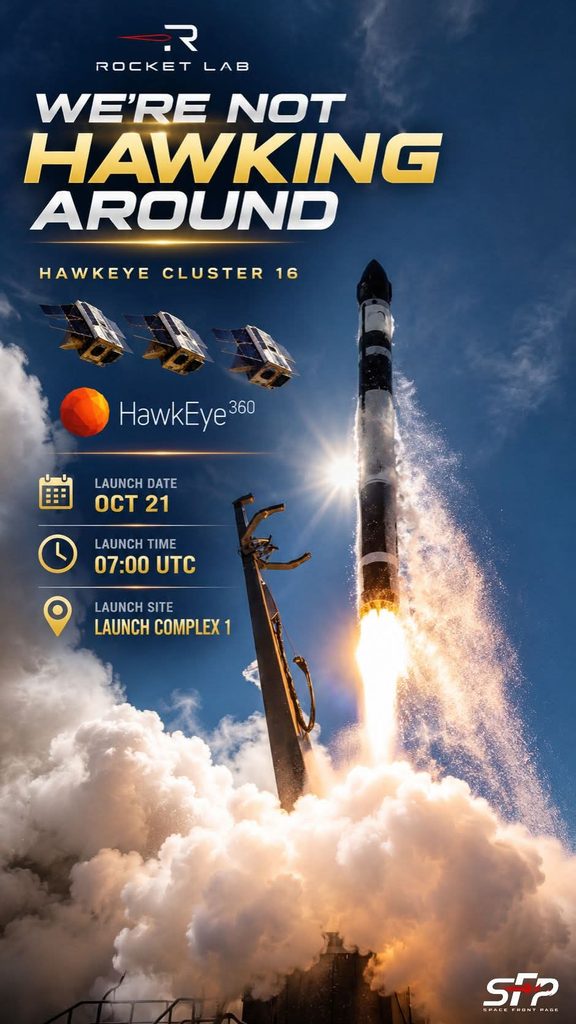
https://rocketlabcorp.com/missions/launches/hawkeye-360
Electron has also flown a twelfth mission for Japanese Earth-observation company Synspective, which shows that repeat customers keep coming back. A steady launch schedule keeps the money flowing while Neutron is fixed.
What it could mean for investors
Investors who believe in the long-term story may see the lower price as a chance, because the delay is now reflected in the market. A smooth autumn for Electron and visible progress on Neutron could improve sentiment. Suppliers of composite materials, testing services and launch infrastructure also follow such milestones closely. This is our reading of the situation, not a forecast.
Keep the risks in mind
Neutron has already slipped once, and it could slip again. Development costs are rising, heavy-lift revenue will not arrive before 2027 and 2028, and space stocks can swing sharply on a single piece of news. The 2027 date depends on the fix working as planned.
This article is for information only and is not investment advice.
Source:
Transparency Note: This article was prepared with the assistance of artificial intelligence technologies. Every piece is thoroughly reviewed and verified by our editorial team, who retain full responsibility for the final content.
Picture: Rocket Lab